

Why Early Detection Is the Single Biggest Factor in Skin Cancer Survival
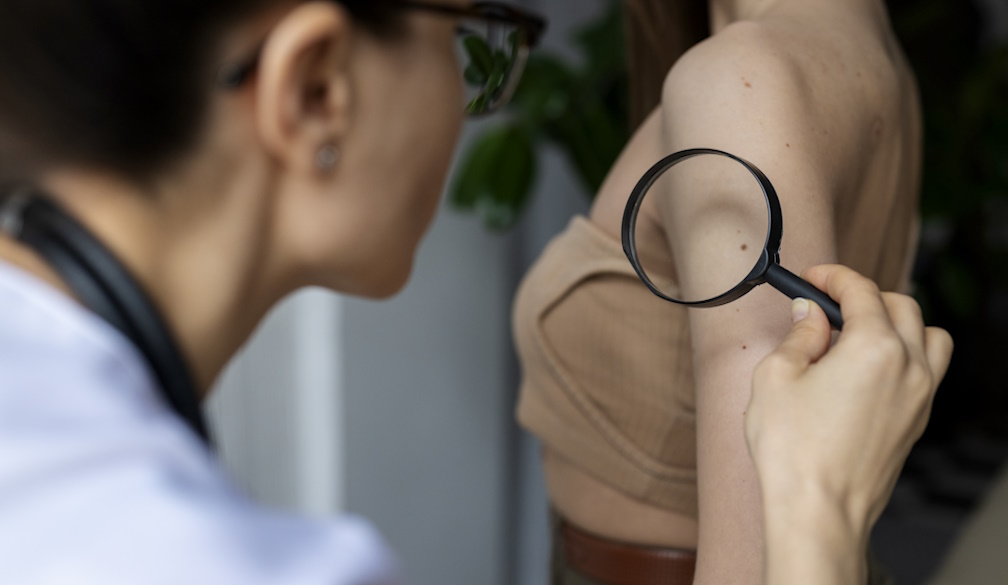
Most of us notice a new spot on our skin and think little of it. We are busy, the mark looks harmless, and a doctor's appointment can always wait until next month. Yet that small delay is often the one decision that determines how skin cancer treatment unfolds, and whether it remains simple or becomes complicated.
Understanding why timing matters so much is the first step toward protecting yourself, and it is exactly why regular skin cancer checks should sit near the top of your health priorities.
The Difference a Few Months Can Make
Skin cancer, particularly melanoma, behaves differently depending on how deep it has grown into the skin by the time it is found. A melanoma caught while it is still thin and contained is generally straightforward to remove, often with nothing more than a local procedure.
Once it has had time to spread deeper or reach other parts of the body, treatment becomes far more involved, and the outcome becomes far less certain.
This is not a small distinction. According to Cancer Council Australia, age-standardised melanoma incidence rates among young Australians fell substantially between the 1980s and the late 2010s, a shift researchers link to decades of sun safety education and earlier detection efforts. The pattern is clear: when skin cancer is identified sooner, the numbers move in your favour.
Why Detection Speed Matters More Than Treatment Choice
It is tempting to think that the type of treatment available makes the biggest difference to survival. In truth, the stage at which skin cancer is found usually matters more than which treatment is eventually used.
A small, shallow melanoma found during a routine check can often be removed before it has any chance to spread. A melanoma left unnoticed for a year or two has had time to grow downward into the skin, and depth is one of the strongest predictors of how serious the cancer has become.
This is why doctors describe early detection as the single biggest factor in skin cancer survival. It does not rely on luck or on having access to the newest treatment. It relies on something far more within your control: getting your skin checked before a small problem becomes a large one.
What a Skin Check Actually Looks For
Skin cancer does not always look the way people expect. Many assume that only large, dark, irregular moles are worth worrying about, but some of the most concerning lesions are pale, small, or barely raised. This is one reason self-checking at home, while useful, cannot replace a professional examination. A trained eye, supported by tools like dermoscopy, can pick up changes that are easy to miss when you are looking at your own skin in a bathroom mirror.
During an appointment at a renowned Gold Coast skin clinic, every part of the body is examined methodically, including areas that are difficult to see yourself, such as the back, scalp, and backs of the legs. Any spot that looks unusual is assessed properly, and if needed, a simple biopsy can confirm whether further treatment is required. The process is quick, it is not painful in any significant way, and it gives you a clear answer rather than weeks of wondering.
Who Should Be Getting Checked Regularly
Some people assume that skin checks are only necessary for those who have spent a lot of time in the sun without protection, or for people who already have a family history of skin cancer. While those groups do carry a higher risk, skin cancer can affect almost anyone living in Australia, given how much UV exposure most of us accumulate simply going about daily life.
If any of the following apply to you, a check should not be left for "someday":
- You have fair skin, freckles, or a history of sunburn, particularly during childhood
- You have noticed a new spot, or an existing mole that has changed in size, shape, or colour
Even without these risk factors, an annual check is a sensible habit, much like a dental visit or an eye test. It takes very little time and gives you peace of mind that lasts the whole year.
Why Waiting Rarely Pays Off
There is a quiet, understandable reason many people put off booking a skin check: fear of what might be found. It feels easier to avoid the appointment than to face a possible diagnosis. But this logic works against you. A spot that turns out to be nothing costs you a brief moment of anxiety and then relief.
A spot that turns out to be something serious, left unchecked for months or years, costs you options. Early melanoma is frequently treated with a minor excision. Advanced melanoma may require extensive surgery, ongoing scans, and in some cases, treatments that affect your whole body rather than just the area of skin involved.
Putting off a check does not make the underlying issue disappear. It only changes how much time the cancer has to grow before someone finally takes a proper look.
Take the Step That Protects You
Booking a skin check is one of the few health decisions where the appointment itself takes far less time than the worry of avoiding it. You do not need a specific symptom or a strong suspicion to justify going.
You simply need to value your own health enough to have someone properly trained look closely, the way you would have any other part of your body checked if something seemed slightly off.
If it has been a while since your last appointment, or if you have never had a professional skin check at all, there is no better time than now to arrange one. The earlier any concern is found, the simpler it usually is to manage, and that single fact is what makes regular checks so worthwhile for anyone who spends time outdoors in Australia.