
Timber-Look Cladding Without the Timber Maintenance: How Modern Composites Compare
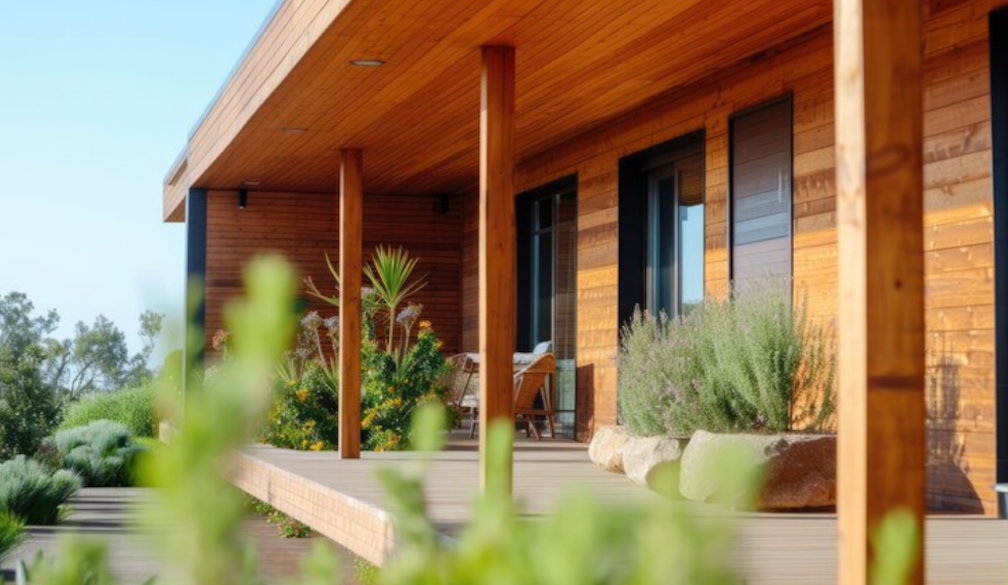
There is a reason timber cladding has stayed popular for so long. It has warmth, character, and a natural look that few other materials can match. What it also has is a maintenance schedule that many homeowners simply do not want to commit to, year after year, for as long as they own the house. If you love the look of timber but not the upkeep, modern composite cladding has reached a point where you genuinely no longer have to choose between the two.
Why Timber Looks Beautiful but Demands So Much
Timber cladding ages the way real wood does, which is part of its appeal and also its biggest drawback. Left untreated, it weathers, silvers, and can develop an uneven, patchy look depending on sun exposure and rainfall across different sides of the house. To avoid this, most homeowners need to commit to regular staining, oiling, or painting, often every two to five years depending on the species and finish chosen.
Beyond colour, timber is vulnerable to a list of issues that composite materials were specifically designed to avoid. Moisture exposure can lead to warping, splitting, and rot if maintenance lapses even briefly. Termites remain a genuine risk in many parts of Australia, and once they take hold in cladding, the repair cost is rarely small. None of this means timber is a poor choice, but it does mean the appearance most people fall in love with requires ongoing effort to maintain.
What Modern Composite Cladding Actually Is
Gold Coast composite timber cladding is engineered from a blend of wood fibres and polymers, designed to combine the visual warmth of timber with far greater resistance to the elements. The wood fibres provide the natural texture and grain pattern that gives composite boards their timber-look appearance, while the polymer component protects against moisture, decay, and pest damage in a way raw timber simply cannot manage on its own.
This is not a new idea, but the quality of composite products has improved substantially over the past decade. Earlier generations of composite cladding sometimes struggled with consistency or premature fading. Current products, particularly fully capped composite boards, are built specifically to handle harsh UV exposure and fluctuating humidity, which makes them well suited to the conditions found across most of Australia.
How the Two Materials Compare Over Time
The most useful way to compare timber and Brisbane composite wall cladding is to look at how long each is expected to last under realistic conditions, rather than under perfect, constantly maintained circumstances.
According to a comparison published by Walls and Floors, timber cladding typically lasts between 15 and 60 years depending on the species, exposure, and how diligently it is maintained, while composite cladding generally delivers a service life of 25 to 35 years with significantly lower ongoing maintenance requirements. The wide range for timber is the important detail here.
A premium hardwood maintained perfectly for decades can outlast composite cladding, but a softwood left without regular care can fail in well under fifteen years. Composite cladding offers a far narrower, more predictable range, which makes it considerably easier to plan around.
The Maintenance Difference in Real Terms
For most homeowners, the deciding factor is not the theoretical lifespan of the material but what owning it actually looks like day to day. Timber cladding needs cleaning, periodic inspection for pest activity, and a recurring commitment to refinishing if you want it to keep its colour and protective coating intact. Skipping a scheduled repaint or restain does not just affect appearance, it accelerates the underlying damage that the coating was protecting against.
Composite cladding, by comparison, asks very little of you. An occasional wash with mild detergent and water is generally all that is needed to keep it looking presentable. There is no painting, staining, or sealing required, and because the material itself resists moisture and pest damage, there is no protective coating to fail in the first place.
Getting the Timber Look Without the Timber Routine
What makes Sydney wall cladding genuinely appealing for homeowners who love the timber aesthetic is how closely modern products can replicate it. Board profiles, grain texture, and colour tones have all improved to the point where composite cladding can sit comfortably alongside timber on the same street without looking obviously synthetic.
This matters particularly for coastal and country style homes, where a timber look is often central to the overall design, but where harsh sun, salt air, or unpredictable weather make raw timber a genuinely demanding choice to commit to. Composite cladding lets you keep that visual style while removing the ongoing burden that often comes with it.
Making the Right Choice for Your Home
Choosing between timber and composite cladding ultimately comes down to how much ongoing involvement you want in maintaining your home's exterior. If you appreciate the process of caring for natural timber, and you are comfortable with a recurring maintenance routine, well-treated timber can deliver a beautiful, long-lasting result. If you want the same warm, natural appearance without committing to that ongoing schedule, modern composite cladding has reached a point where it can genuinely deliver on both look and durability.
Before deciding, it is worth viewing samples of both materials side by side and discussing your specific climate and exposure conditions with an Australian building materials supplier, since the right choice often depends as much on your location as it does on personal preference.