
Understanding K1042 Steel Plate for Machined and Industrial Components
Begin with the material specification
Selecting a medium-carbon steel for a machined or fabricated component requires attention to the grade, dimensions and final working conditions. K1042 is listed by Australian Steel alongside K1045 under its AS 3678 plate range. These grades are used in applications where a balance of strength, wear resistance and machinability is important, but the correct choice still depends on the component design and the relevant engineering specification.
Before ordering K1042, confirm that the drawing, purchase specification and required standard all identify the same material. Similar grade names can be confused during procurement, especially when parts are being made from older drawings or replacement components. Check the exact grade, thickness, dimensions and any testing or certification requirements with the supplier. Australian Steel’s product information covers K1042/K1045 plate and related processing services, giving buyers a starting point for confirming the material requirement.
Consider machining and heat treatment
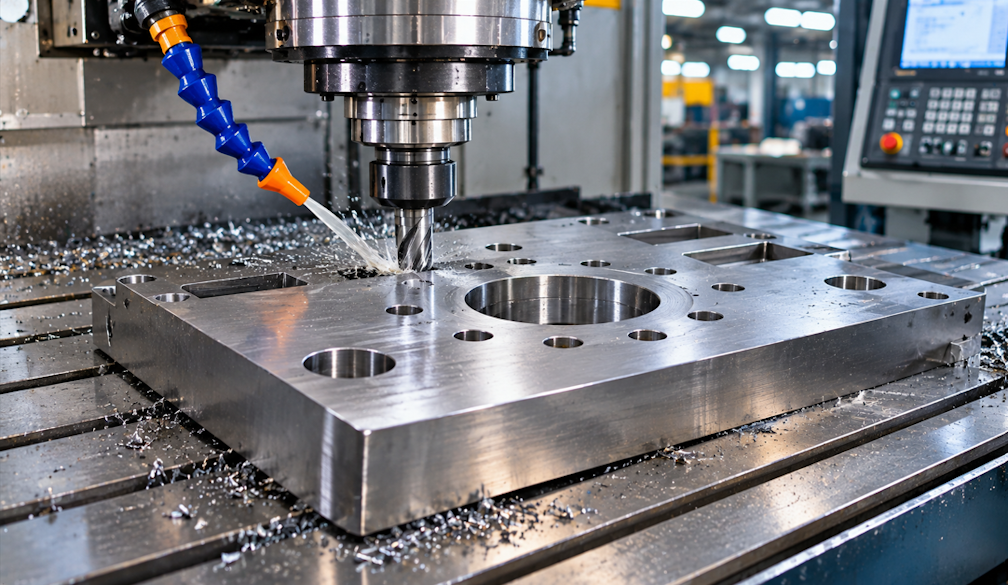
Material selection should account for what happens after the plate is supplied. Components may need drilling, turning, milling, grinding or other machining operations to reach their final dimensions. The grade and condition of the steel can influence tool selection, machining parameters and the sequence of operations. Fabricators should work from the relevant technical specification and consult their machining team where the component has demanding tolerances or a complex shape.
K1042 is often considered in the context of medium-carbon steel applications, while Australian Steel notes that its K1042/K1045 material can be machined and may be induction hardened or flame hardened. Heat treatment decisions should not be made solely from a general description. The part’s geometry, section size, required hardness and service conditions all matter. Confirm the required properties with the responsible engineer or heat-treatment specialist before specifying a process.
Match the grade to the component’s role
Medium-carbon steel may be used for parts such as shafts, pins, rods, studs, rolls and other components where strength and wear resistance are relevant. The suitability of a particular grade depends on load, fatigue exposure, contact conditions, manufacturing method and operating environment. A part that works well in one machine may not be suitable for another if the loads, dimensions or maintenance conditions differ.
When reviewing K1042 for a new or replacement component, assess the function of the finished part rather than relying on the grade name alone. Consider whether it will experience impact, repeated loading, sliding contact or high local stresses. If the component is safety-critical, ensure that material selection and any heat treatment are approved through the project’s engineering process. Clear specifications reduce the chance of an unsuitable substitution entering production.
Plan plate processing around the finished part
Buying material and arranging processing as separate decisions can create extra handling and coordination. If the plate needs to be profiled, drilled, wash-ground, folded or stress relieved, discuss the complete requirement when requesting a quote. Drawings should identify critical dimensions, hole locations, bevels and any surface requirements. This helps the supplier understand which features must be controlled and which can be completed in later workshop operations.
Australian Steel offers profile cutting and post-cutting services for its plate products, including options such as drilling, wash grinding and stress relieving. For K1042, confirm which processes are appropriate for the specified condition and final application. A clear sequence can reduce unnecessary movement between suppliers and help the receiving workshop plan its work. Always verify the material and service details for the specific order rather than assuming every process is included automatically.
Verify documentation and availability
Engineering and manufacturing projects may need records that connect supplied material to the job specification. Depending on the project, these can include material certificates, inspection records or certificates of conformance. Establish the documentation requirement before ordering, particularly when a client or quality system specifies how material must be identified and recorded.
Availability can also influence the project schedule. Confirm the required thickness and dimensions, whether the material is currently in stock, and whether any cutting or finishing steps affect the lead time. If the exact specification is unavailable, do not substitute another grade without approval from the responsible designer or engineer. Australian Steel supplies customers in Melbourne and across Australia, and its team can confirm the details relevant to the required order.
Make an informed purchasing decision
A reliable order begins with an accurate specification. Record the grade, standard, thickness, dimensions, quantity and any processing or documentation needs in one clear request. Include the drawing revision and note any features that require special attention. If the component will undergo heat treatment or precision machining, coordinate those requirements before the material is cut so that the sequence is technically suitable.
For buyers evaluating K1042, Australian Steel can provide information about its K1042/K1045 plate range and available processing services. Use the product information as a starting point, then confirm the exact grade, stock dimensions and required properties for your project. A careful check before purchase supports better workshop planning and helps ensure the material supplied aligns with the intended application.